Earth to Glass
Learning to Taste the Landscape
Not yet published. I'm writing it now, and I'll share news here and in the newsletter when there's news to share.
The question isn't whether you can taste limestone. It's what a landscape actually does to a vine, and what survives that journey into the glass.
- EarthRock, soil, slope, water.
- VineHow it lives, and how hard it works.
- GrapeWhat the season leaves in the fruit.
- GlassWhat the cellar makes of it.
- BrainWhat we perceive, and what we expect to.
Organised by soil, not by the map
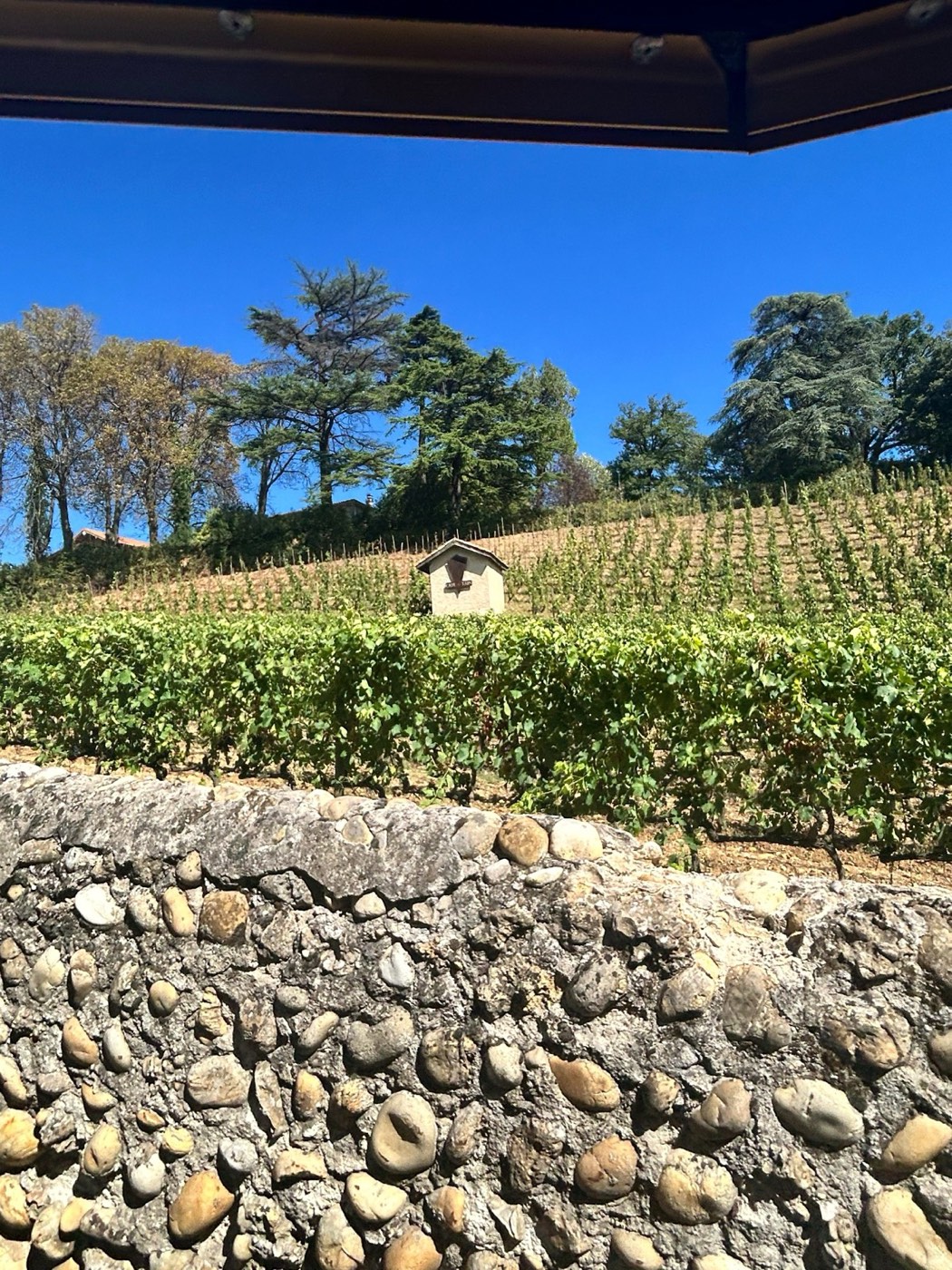
Most wine books are organised by region, producer or grape. This one is organised by soil. Each chapter follows a single vineyard soil, from the volcanic ash of Santorini to the Jurassic seabed beneath Chablis, and asks what that earth had to survive, and what that survival tastes like.
It's written for the curious reader rather than the specialist: someone who enjoys wine, travel and a good story, and has never quite been told why a Chablis tastes the way it does.
Six geological stories
Fire Remembers
Some soils remember oceans. Volcanic soils remember fire.
The Sea Remembers
Long after the sea has gone, its memory remains beneath the vine.
The Mountains Remember
The mountains disappeared. The granite remained.
Rivers Remember
Every stone was carried here by water.
The Earth Holds Water
The longest memory is water.
The Soil Speaks in Many Voices
The same earth, asked a different question, gives a different answer.
Hold the rock. Stand in the vineyard. Then taste.
You hold the rock before you read about it. You stand in the vineyard. You taste. Then you find out why it works, hear the music the soil suggests, and open two contrasting bottles side by side to taste the argument for yourself.
A full proposal is available on request
The proposal includes the chapter outline and sample chapters. They are shared privately and are not published on this site.